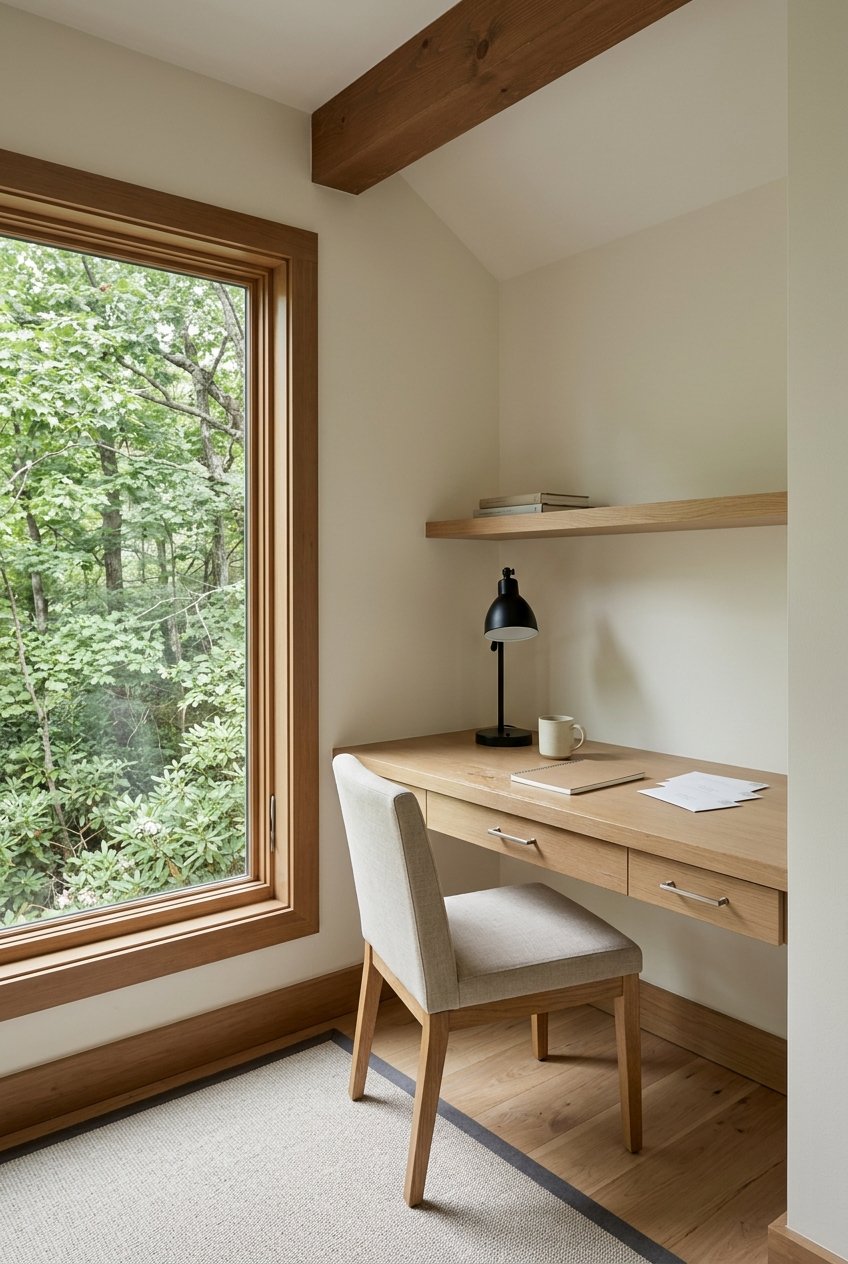
Hayesville NC Home Buying Guide for Lake & Mountain Living
May 21, 2026
May 21, 2026
Dreaming about a home near Lake Chatuge or tucked into the mountains around Hayesville? It is easy to fall in love with the views first and ask the practical questions later. If you are buying in Clay County, a little local knowledge can help you protect your budget, avoid surprises, and move forward with confidence. Let’s dive in.
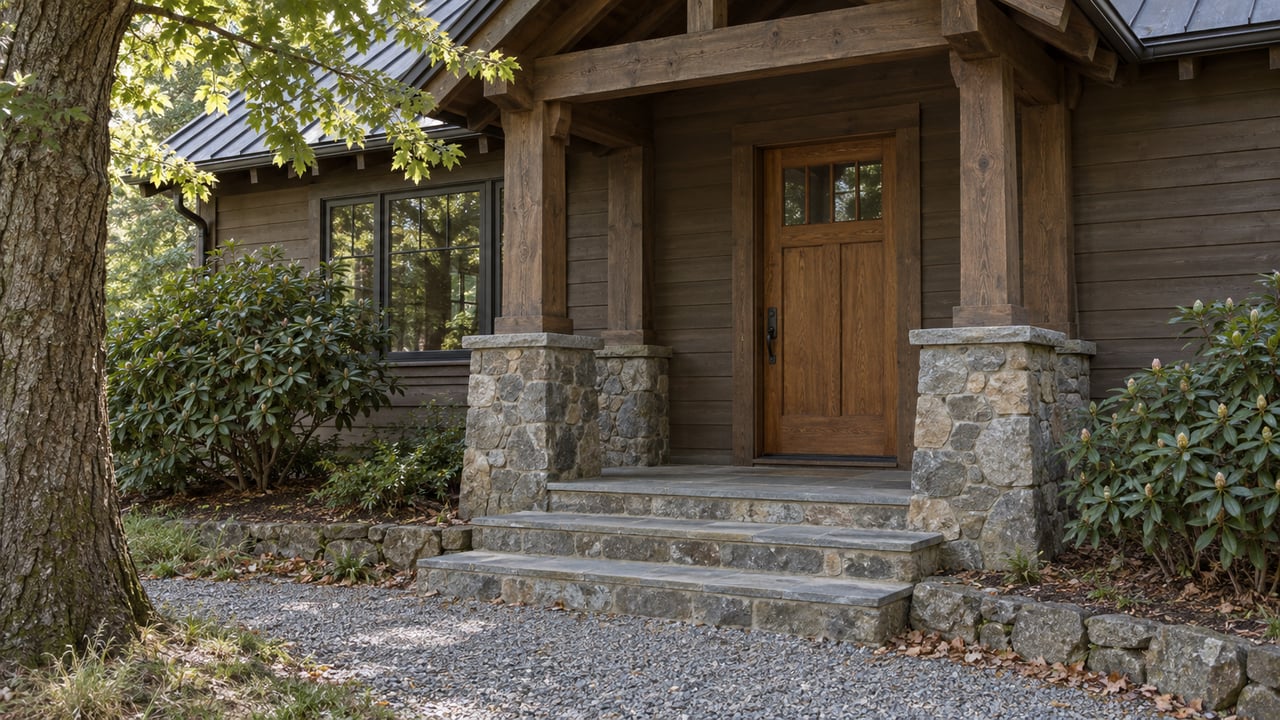
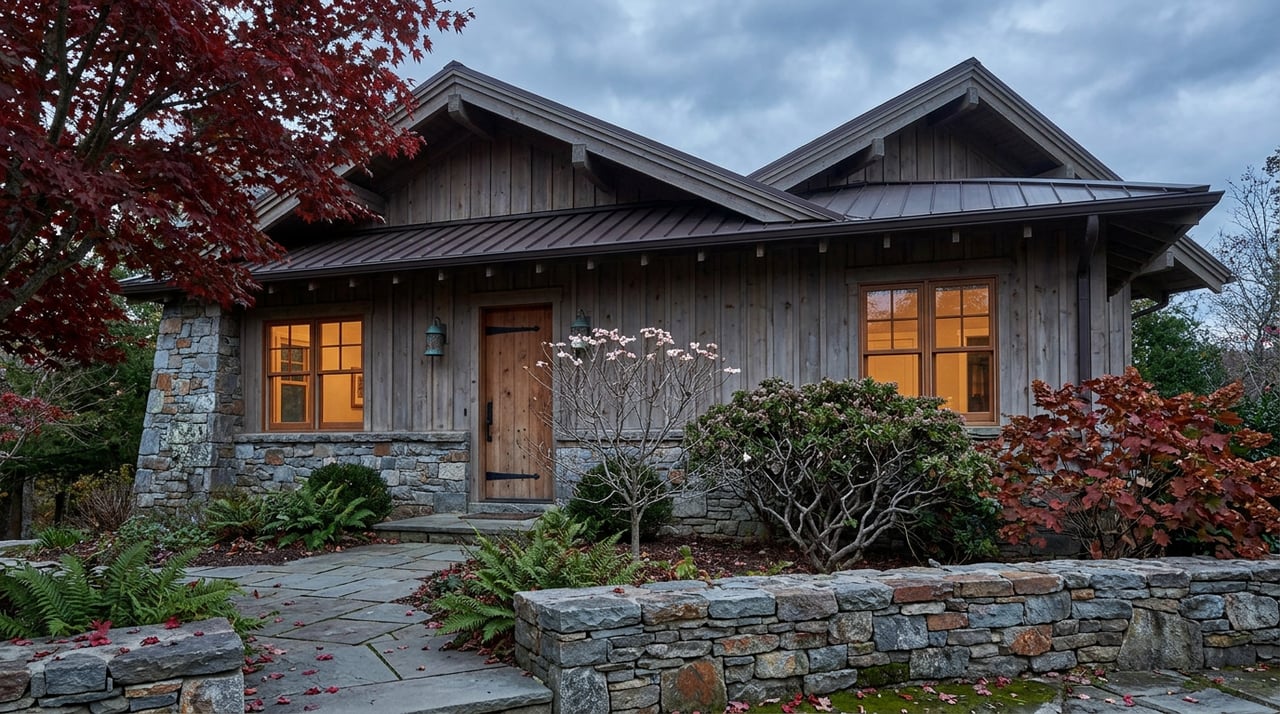
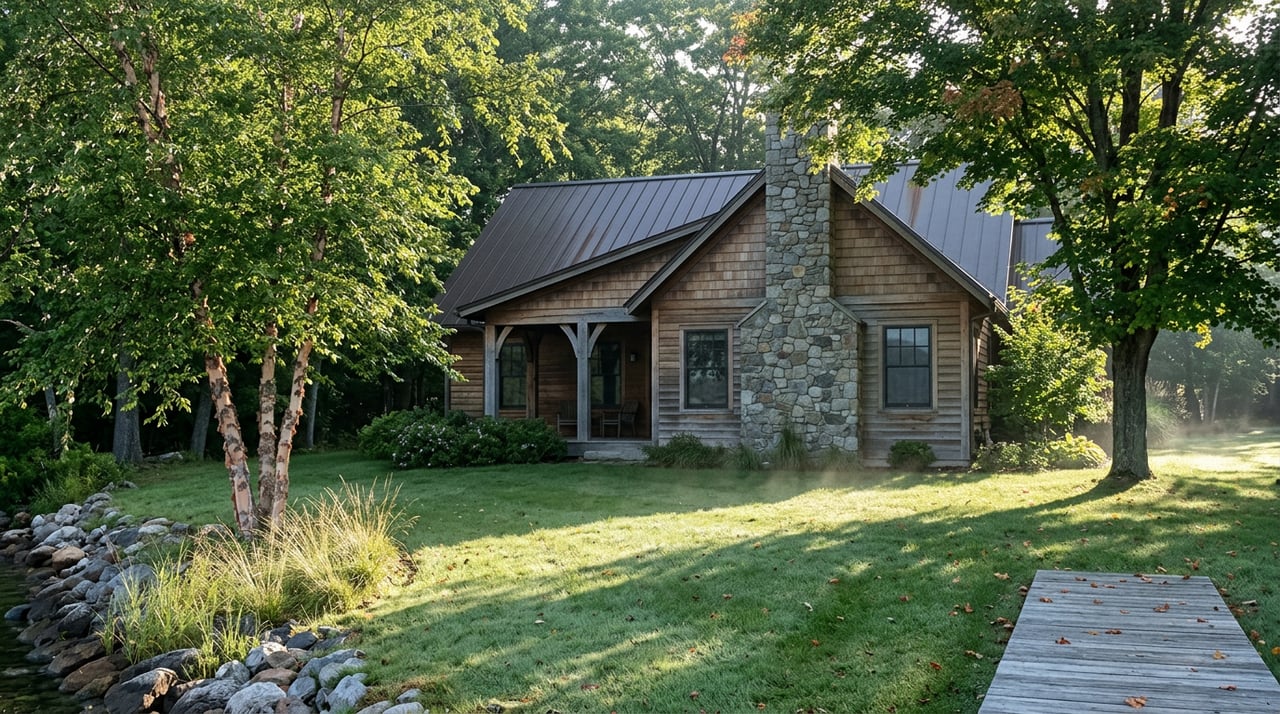
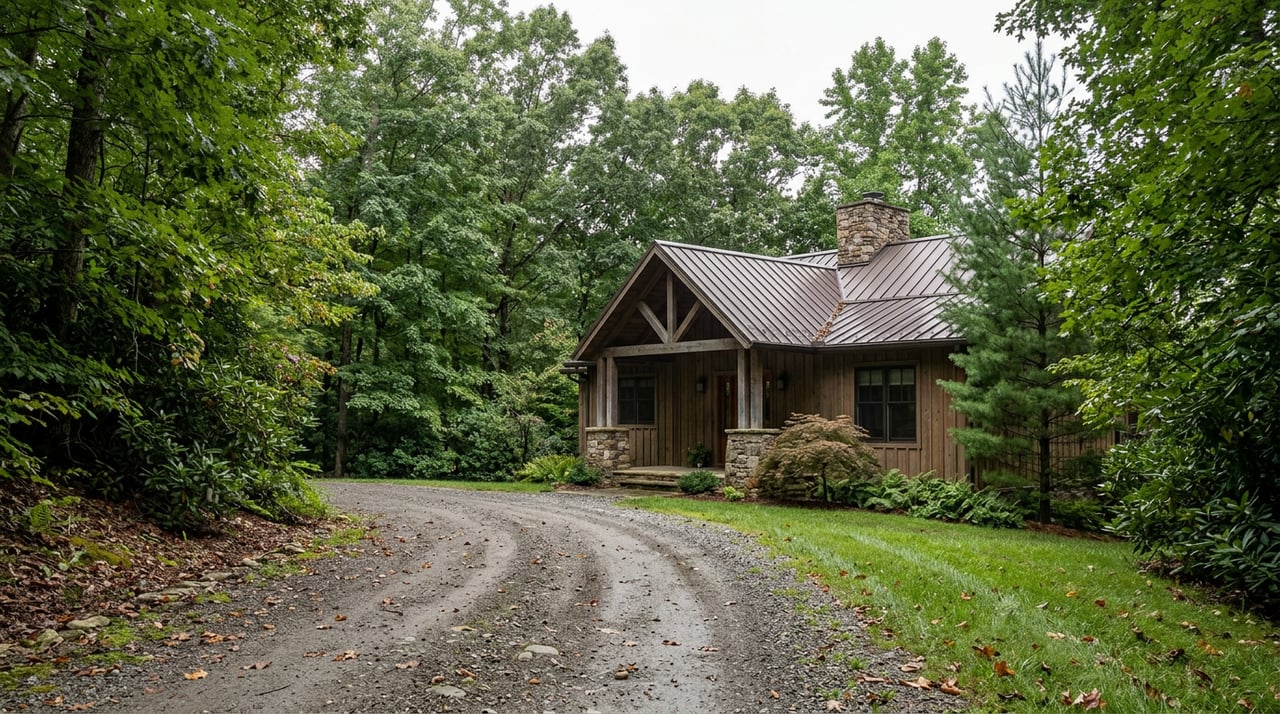
Hayesville is not a one-size-fits-all market. Your options may include in-town homes, mountain cabins, lake-adjacent properties, and vacant lots or acreage. Each one comes with a different set of questions about access, utilities, permits, and long-term use.
Lake Chatuge plays a big role in how buyers experience this area. The Tennessee Valley Authority says Chatuge Reservoir is 13 miles long on the Hiwassee River and sits about 4.5 miles upstream from Hayesville. That means many buyers are not just choosing a house. You are also choosing a setting, whether that is closer to town, the lake, or a more private mountain parcel.
A property near the water can look simple on a listing sheet, but shoreline ownership and use are not always simple. TVA says shoreline policy is designed to protect shoreline and aquatic resources while still allowing reasonable access to the water. For you as a buyer, that means the space between the house and the lake may need closer review.
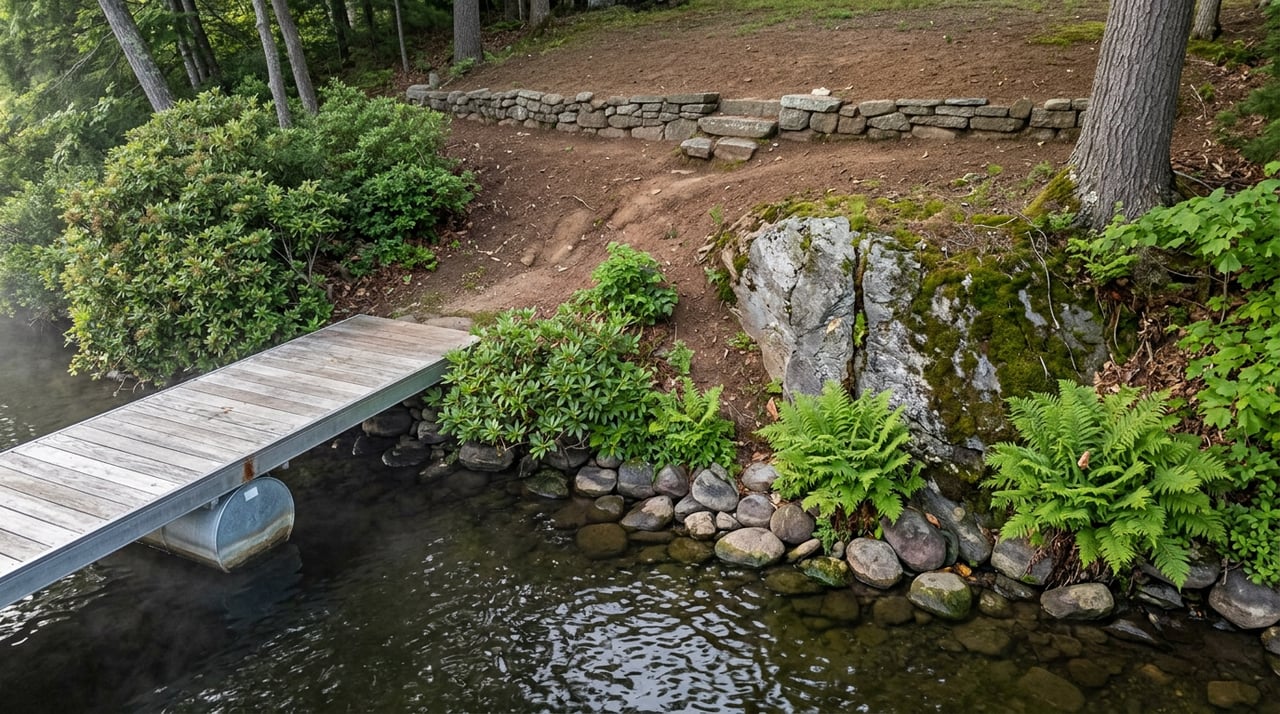
TVA also says Chatuge water levels typically vary by about 10 feet from summer to winter in a normal rainfall year. That seasonal change can affect how a dock sits, how usable the shoreline feels, and what the property looks like in different months. If you are buying for lifestyle as much as for square footage, seeing that difference matters.
If you are drawn to a cabin, a large mountain home, or a parcel where you plan to build, local construction rules matter early. Clay County notes that log buildings, post-and-beam buildings, and residential structures over 4,500 square feet require design by a North Carolina licensed engineer or architect. That can shape your budget and timeline before you ever break ground.
This is one reason vacant land and custom-home opportunities need more than a quick look. The views may be the headline, but site conditions, approvals, and design requirements often tell the real story. A careful review up front can save you time and money later.
In Hayesville, the smartest buyers verify local details before they get too emotionally attached. That is especially true if you are shopping from out of town and trying to compare several homes or lots in one trip. A property can fit your wish list but still need extra review on zoning, floodplain status, or utility setup.
Clay County says properties inside the Town of Hayesville limits or its extraterritorial jurisdiction need a valid zoning permit from the town. That matters if you are considering improvements, additions, or a build project. It is also helpful to know the county offers online permit applications and inspection requests, which can make the process easier for remote buyers.
Floodplain review is especially important for lake-edge, creek-adjacent, or low-lying properties. Clay County says projects in a designated FEMA AE flood zone need a Floodplain Development Permit, and an elevation certificate must be submitted with the building permit application. If a home or lot sits near water, this is worth checking right away.
Floodplain status can affect future building plans, insurance planning, and your comfort level with the property. It is much better to understand that during due diligence than after closing.
Many homes in mountain and rural areas rely on private well and septic systems. Clay County Environmental Health oversees private wells, wastewater treatment, and disposal systems. The county also says Environmental Health approvals must be secured before a building permit is issued when a property uses private well and septic.
If the property is served by public utilities instead, Clay County Water & Sewer District maintains new service applications, tap fees, and rate schedules. That distinction matters when you are comparing an in-town home to a more rural cabin or land parcel. Utility setup affects both convenience and future costs.
For lots and acreage, parcel research should happen early. Clay County says its GIS mapping data is compiled from recorded deeds, plats, and other public records, making it a practical place to review parcel and tax information. This is especially helpful if you are sorting through questions about boundaries, shape, or access.
Clay County also says buyers should verify the project address with 911 Addressing if it has not already been entered correctly. A simple address issue can slow permit review. In a rural market, that small detail can matter more than many buyers expect.
In North Carolina, the due diligence period is one of the most important parts of the buying process. The North Carolina Real Estate Commission explains that the due diligence fee is negotiated, usually paid directly to the seller when the contract is accepted, and generally credited at closing if the purchase goes through. It also explains that the fee is normally nonrefundable except in limited contract-based situations.
Just as important, the due diligence period gives you the right to terminate by written notice before the deadline for any reason or no reason. That makes this your investigation window. In Hayesville, that time should be used carefully and with a clear plan.
A general home inspection is only the starting point for many Hayesville purchases. NCREC describes due diligence as the period to fully investigate the property and transaction. For lake and mountain homes, that often means adding checks that fit the location and property style.
Depending on the property, your review may include:
A mountain cabin, lake-access home, and vacant lot each carry different questions. Matching your due diligence work to the property type helps you make a better decision.
If the property touches or approaches the lake, shoreline review is essential. TVA says shoreline construction or alterations require approval before work begins, including docks and shoreline stabilization. TVA also advises buyers to check whether TVA land or land rights lie between the property and the lake and to verify that any existing shoreline work already has TVA approval.
This can affect how you use the property and what future improvements are possible. A home may be marketed as having water access or a dock, but the details still need verification. That is why local, property-specific review matters so much here.
North Carolina residential closings are attorney-led. The North Carolina State Bar describes title review, deed preparation, execution, recordation, and disbursement as part of the closing process. The North Carolina Department of Insurance also says licensed attorneys handle property closings and disbursement through a trust account.
Your closing attorney plays a major role in reviewing public records for defects, liens, encumbrances, and related issues. NC DOI also notes that title insurance can protect both the owner and lender. In a market with mountain parcels, waterfront questions, and second-home buyers, that professional review is a key part of a smooth transaction.
After closing, the paperwork does not just disappear into a file. Clay County Register of Deeds records deeds, deeds of trust, cancellations, plats, powers of attorney, and other real estate documents. Even if you are buying from out of area, county-level recording is one of the final steps that makes the transaction official.
Some of the most important buying details are easy to overlook when you are focused on the home itself. Insurance and tax timing are two of them. Getting clarity on both early can reduce last-minute stress.
The North Carolina Department of Insurance says homeowners insurance is not required by state law, but a mortgage lender may require it. For Hayesville buyers, it makes sense to request quotes early, especially if the home has lake, mountain, or rural characteristics that may affect underwriting. Waiting too long can create avoidable delays.
Clay County says real property is permanently listed and does not require annual listing. The county also says a tax lien attaches on January 1, tax bills are mailed on or before September 1, and unpaid taxes remaining after January 5 following the billing year begin accruing interest. Before closing, buyers and sellers should confirm tax status so prorations and payoff figures are accurate.
If you will not be in Hayesville full time, local record tools can still help you stay informed. Clay County’s GIS mapping and Register of Deeds records are useful for remote owners who want to review parcel and document information without making a trip.
Clay County Register of Deeds also offers a fraud-alert service that emails owners when a document is recorded under a monitored name. For second-home owners and relocators, that can be a practical extra layer of awareness after closing.
If you want a straightforward way to approach a Hayesville purchase, start here:
Buying in Hayesville can be incredibly rewarding, but the best experience usually comes from balancing the lifestyle dream with careful local verification. When you understand the rules, records, and property-specific checks that matter here, you can move forward with far more confidence.
If you are exploring lakefront homes, mountain cabins, or land in Clay County, working with a guide who understands both the lifestyle and the local process can make the search feel much more manageable. When you are ready to talk through your options, schedule a consultation with Karyn Woody.
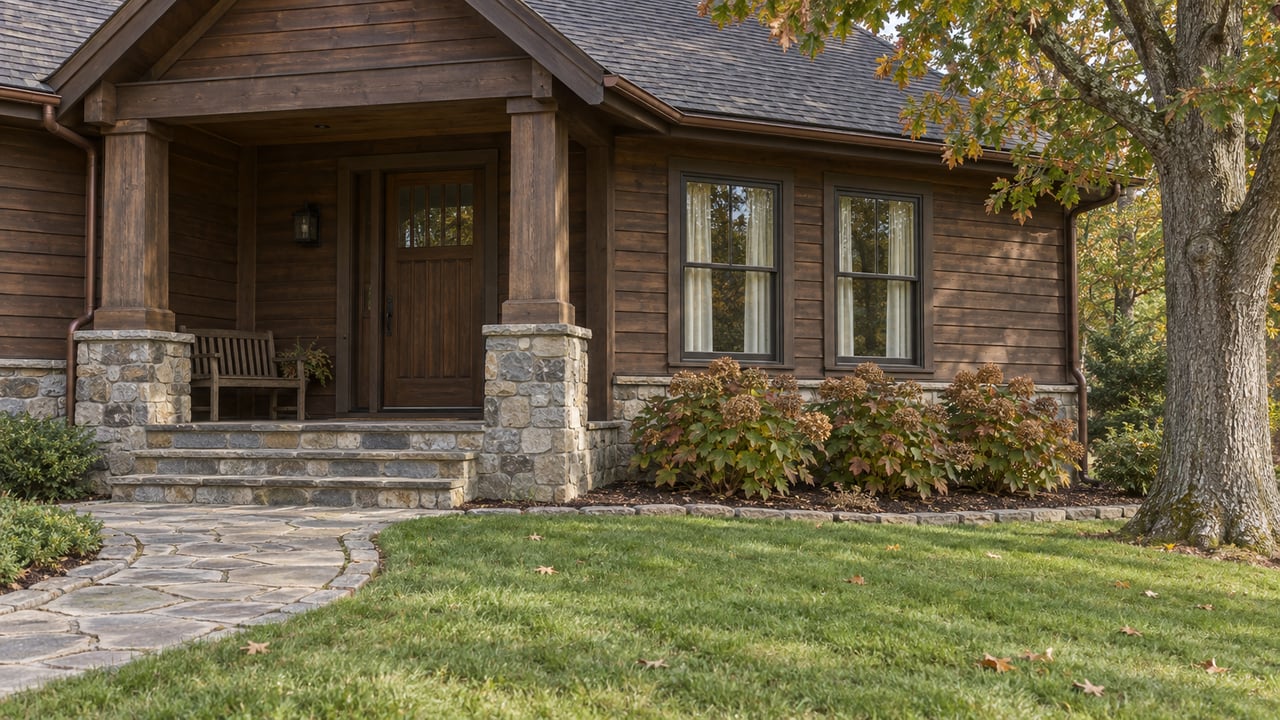
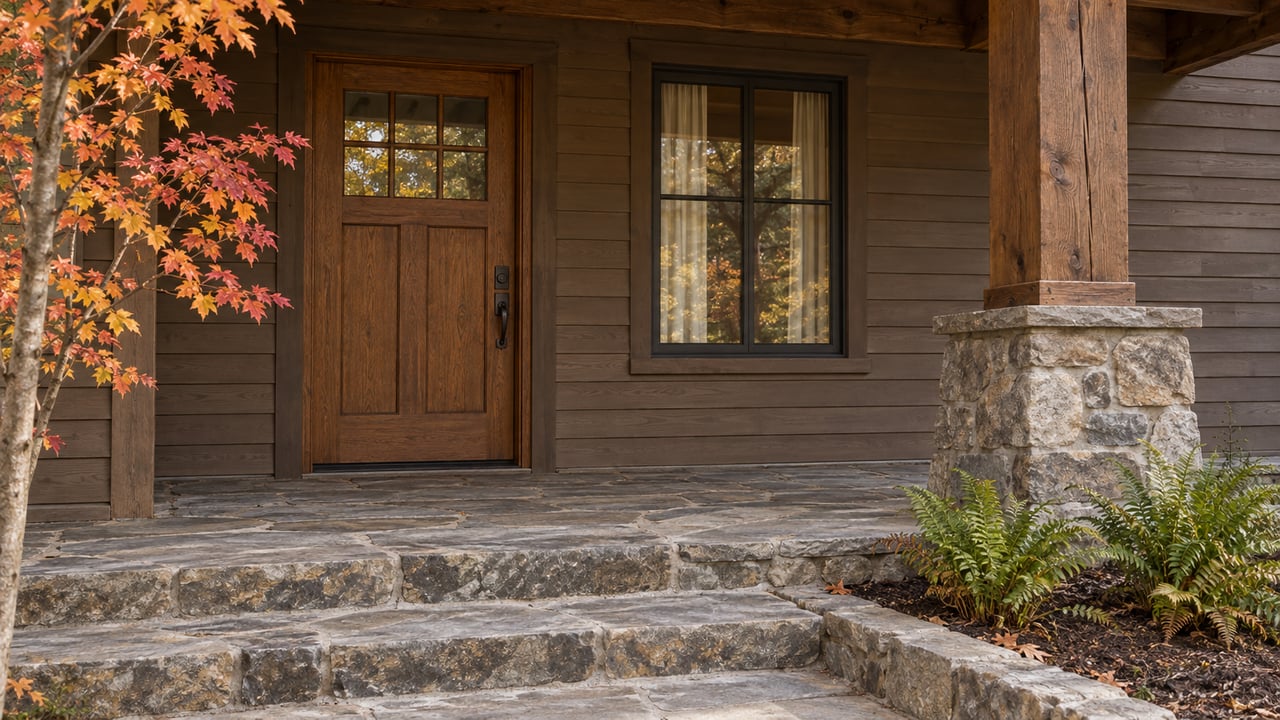
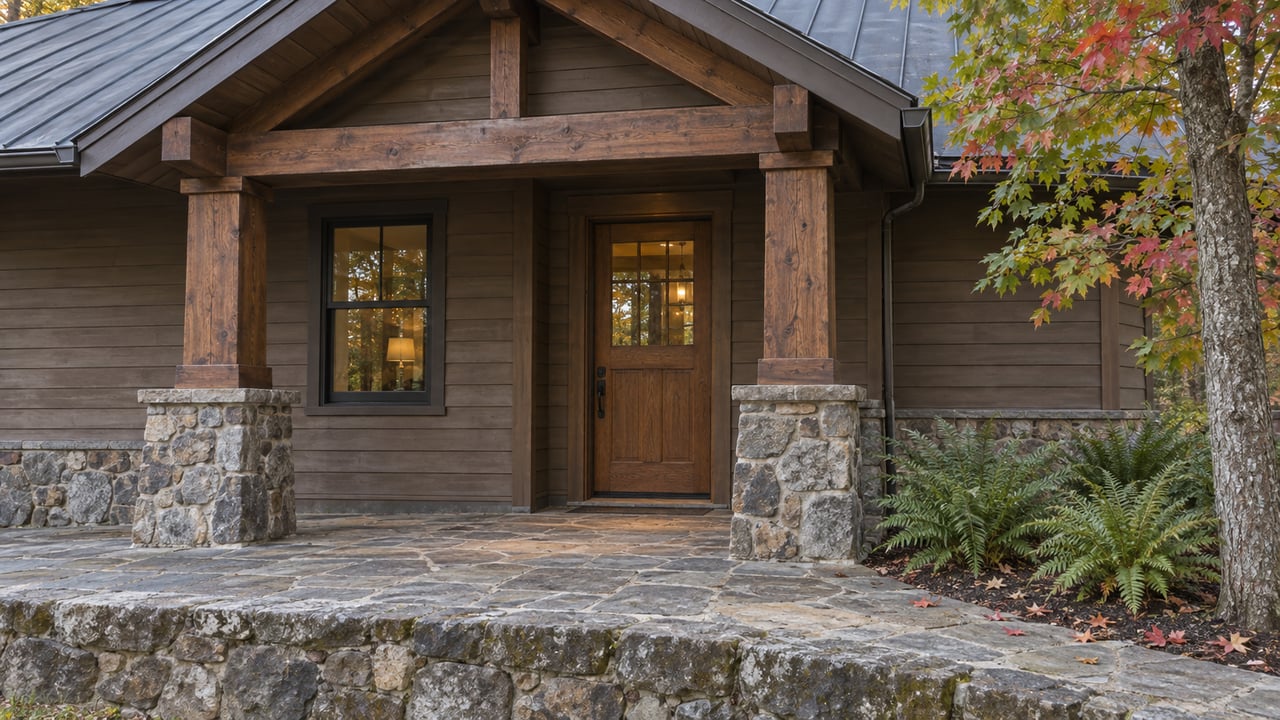
As a full-time Real Estate Agent, wife, mom, and barrel racer, Karyn balances her dynamic life with a steady commitment to her clients. With Karyn, you get more than an agent—you get an advocate.