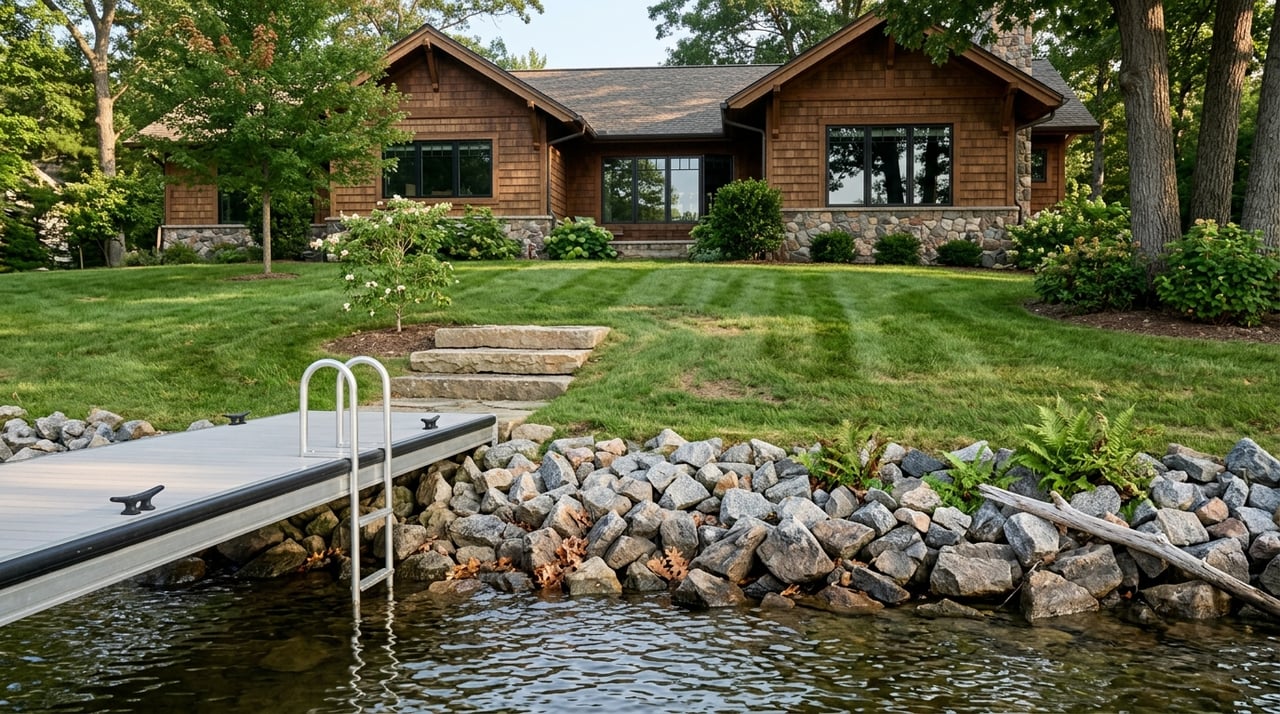
Lake Nottely Dock and HOA Rules Buyers Should Know
July 16, 2026
July 16, 2026
Dreaming about a Lake Nottely home with a dock and mountain views? It is easy to picture peaceful mornings on the water, but buying on the lake also means understanding what you can actually do with the shoreline, the dock, and the property over time. If you want to avoid surprises after closing, it helps to know how TVA rules, Union County permits, and HOA documents can all shape your ownership experience. Let’s dive in.
Lake Nottely, also called Nottely Reservoir, is located entirely in Union County, Georgia. For buyers, shoreline use is usually shaped by three layers of oversight: TVA shoreline permitting, Union County permitting, and any subdivision HOA or POA documents.
That matters because a waterfront home is not always as simple as “buy the house, use the lake.” The dock setup, vegetation clearing, shoreline work, and even some exterior changes may depend on approvals that go beyond the deed.
One of the first things to confirm is what kind of shoreline the property actually has. Buyers should verify whether the shoreline is TVA-owned access shoreland or privately owned flowage-easement shoreland, because the rules can differ in important ways.
On TVA-owned residential access shoreland, landowners must obtain a Section 26a permit before building or changing docks, piers, boathouses, access corridors, or vegetation. On privately owned flowage-easement shoreland, vegetation changes generally do not require TVA approval, but docks, fill, and other obstructions still can.
This is one reason a lakefront showing can only tell you so much. A beautiful lot may look like it offers room for a larger dock, a wider path, or more tree clearing, but what is allowed depends on the shoreline classification and the permit framework already in place.
For many Lake Nottely buyers, the dock is the headline feature. Still, it is smart to treat the dock as a permitted structure first and an amenity second.
TVA’s residential water-use standards generally limit docks, piers, and boathouses to a 1,000-square-foot footprint, with up to 1,800 square feet in preexisting development. Docks and walkways also may not extend more than 150 feet from the shoreline or one-third of the distance to the opposite shoreline.
If the property is in a subdivision recorded after November 1, 1999, neighboring docks generally must be at least 50 feet apart. In tighter coves or shoreline configurations, TVA may require a community or group facility instead of individual private docks.
Before you buy, ask whether the dock is individual, shared, or HOA-controlled. That distinction can affect your daily use, your maintenance responsibility, and whether changes require approval from the association as well as TVA.
Shared access is not automatically a drawback. In some settings, it is simply the practical result of spacing rules and shoreline design. The key is making sure the arrangement is clear in writing before closing.
Buyers should also confirm whether an existing dock is permitted or grandfathered. A dock that has been there for years is not always proof that it complies with current rules.
TVA also notes that a permit does not mean the structure has been certified safe. So if the dock is a major part of the property’s value to you, it can be worth digging into both permit history and physical condition during due diligence.
Lake buyers sometimes assume a boathouse can function like extra living or entertaining space. On Lake Nottely, TVA rules are much tighter than that.
Docks, piers, and boathouses cannot contain living space or sleeping areas. Toilets and sinks are not permitted, covered structures are generally limited to one story, and second stories may only be open decks with railings.
That means you should look closely at any structure advertised as a boathouse or covered dock feature. If it includes storage, sanitation, or enclosed-use elements that go beyond what is allowed, that is something to investigate before you move forward.
The lake view is a big part of the appeal on Lake Nottely, so buyers often ask about clearing trees or opening up the sightline to the water. This is another area where assumptions can cause problems.
On TVA-owned access shoreland, vegetation management generally requires advance permission, a 20-foot access corridor, and a 50-foot shoreline management zone. On flowage-easement shoreland, the rules can be different, which is why confirming the shoreline type matters so much at the start.
Maybe, but you should never assume full discretion just because the lot touches the water. TVA regulates vegetation management on access shoreland, and HOA documents may also add architectural or landscape review standards.
If your buying decision depends on opening a view corridor or making shoreline changes, verify the approval path before closing. It is much easier to confirm what is allowed in advance than to discover limits after the property is yours.
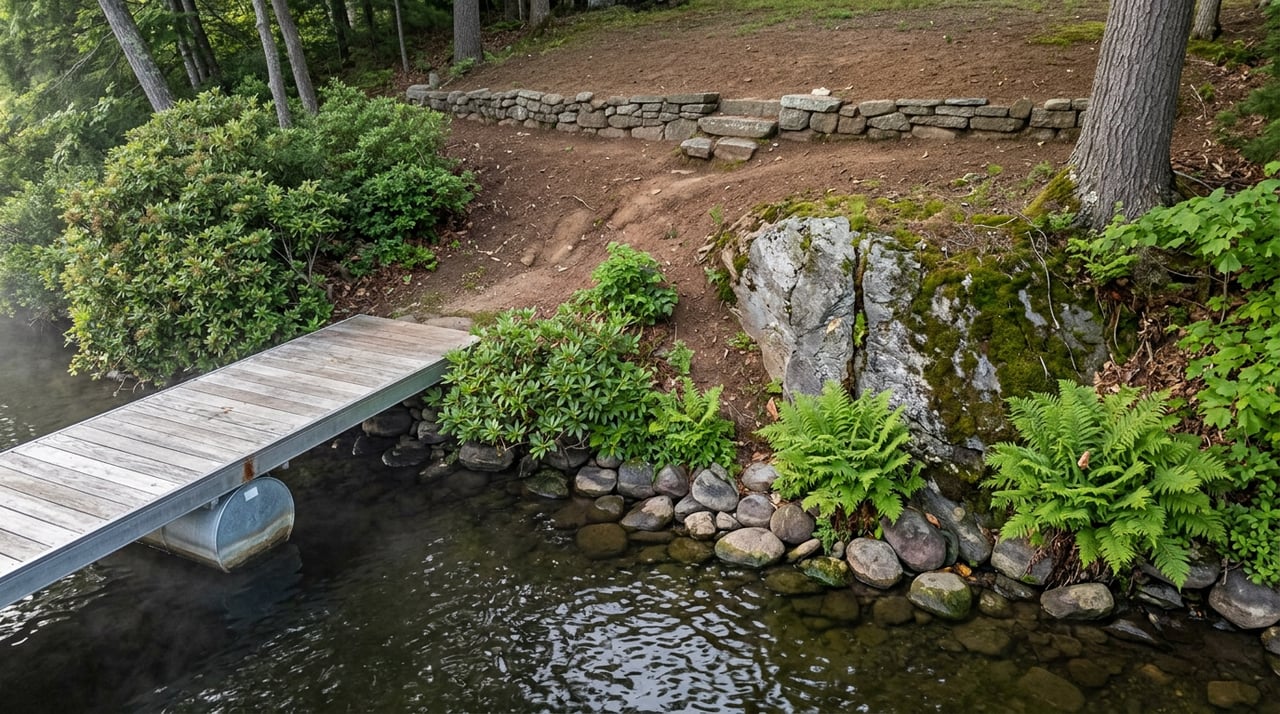
Shoreline stabilization can also require review. TVA may allow stabilization with native vegetation, natural materials, riprap, or retaining walls in limited circumstances, and land lost to erosion cannot be reclaimed.
Union County permitting may also come into play depending on the scope of work. If you are considering improvements near the shoreline, it is wise to review existing records and get the right professionals involved early.
On Lake Nottely, the waterfront itself is only part of the story. In many communities, HOA or POA documents can affect your costs, your exterior changes, and your use of shared amenities.
Georgia guidance says HOAs are governed by their founding documents, especially bylaws and CC&Rs, and buyers should receive those documents at purchase. Those documents control dues, special assessments, and other neighborhood rules.
A low annual fee does not always tell the full story. If an association’s documents allow it, dues can be increased, and unpaid assessments can become a lien issue.
Some associations can also place liens and, in some circumstances, foreclose. That is why buyers should review not only the current dues but also any history or possibility of special assessments, reserve needs, and maintenance obligations for roads or common areas.
A Lake Nottely example shows how these rules can affect daily ownership. The Sanctuary at Lake Nottely’s covenants call for annual assessments, allow special assessments, authorize the association to maintain roads and common areas, and require written approval for exterior changes through architectural controls.
Every subdivision is different, but this gives you a real-world example of the kind of review process a buyer may encounter. If you plan to repaint, expand, build, or alter outdoor features, those documents deserve careful attention.
HOAs are private organizations, and local governments generally cannot enforce association covenants. The HOA typically enforces its covenants in court.
That means covenant issues are usually private governance matters, not county code matters. For you as a buyer, the practical takeaway is simple: read the documents closely and understand the rules before you commit.
Even when TVA rules get most of the attention, Union County permitting is still important. The county says permits are required for dwellings, accessory structures over 150 square feet, footprint changes, utility connections, work in stream buffers or flood hazard areas, tree removal in mountain protection areas, and any land disturbance.
The county permit application also asks whether water is adjacent to the site, and the county says permitting is the owner’s responsibility. If you are buying with plans to improve the home, add structures, or alter the site, this step should be part of your due diligence from day one.
If you are serious about a Lake Nottely property, try to confirm the details that affect use and resale before closing. A little homework now can protect both your enjoyment and your investment later.
Ask for these items during due diligence:
If the property has a dock or erosion issue, a title attorney, surveyor, engineer, or dock contractor can help confirm what is actually allowed before closing. That extra review can be especially valuable when a home’s lake access is a major part of its appeal.
When you tour a Lake Nottely home, keep these questions in mind:
Lake Nottely is also listed by TVA as a no discharge lake. Vessels with Type I or Type II marine sanitation devices cannot use those devices in a no discharge zone and must secure them against discharge.
Buying on Lake Nottely can be incredibly rewarding, especially if you want a luxury retreat with mountain scenery and direct water access. The key is making sure the lifestyle you picture matches the rules, permits, and documents attached to the property you choose.
That is where local guidance matters. When you understand the dock status, shoreline classification, HOA structure, and permit history before closing, you can move forward with much more confidence and far fewer surprises.
If you are exploring Lake Nottely real estate and want a steady, local guide through the details, connect with Karyn Woody to schedule a consultation.





As a full-time Real Estate Agent, wife, mom, and barrel racer, Karyn balances her dynamic life with a steady commitment to her clients. With Karyn, you get more than an agent—you get an advocate.