Thinking about a weekend place in the North Georgia mountains and wondering what it really costs to keep it? You are not alone. The purchase price gets you the keys, but the annual carrying costs decide how easy that second home feels year after year. In this guide, you will learn the true, recurring costs of owning a second home in Blairsville, including lake and mountain factors that can shift your budget.
You will walk away with a practical framework, local considerations for Union County, and a step-by-step checklist to turn estimates into your exact numbers. Let’s dive in.
Annual second-home costs
Every second home carries a mix of fixed and variable expenses. Your Blairsville home will follow the same pattern, with a few mountain and lake twists.
- Property taxes and assessments. Union County taxes are based on millage rates and assessed value. Plan to verify the current assessment and any special fees with the county tax assessor before you close.
- Mortgage and financing. Second-home loans often have different down payment and rate requirements compared to primary residences. Budget for principal, interest, and private mortgage insurance if applicable.
- Homeowners insurance. You will want coverage for the dwelling, personal property, and liability. Absentee ownership can trigger vacancy clauses, so confirm your policy’s rules for periods when the home is unoccupied.
- Flood and hazard coverage. Flood insurance is separate from a standard policy and is required if the home sits in a mapped high-risk flood zone. Lakeside and mountain properties may also need wind, hail, dock, or umbrella liability endorsements.
- HOA or POA dues. Gated, lakeside, and mountain communities may charge recurring dues and occasional special assessments. Review community documents and reserve health before you budget.
- Utilities and services. Expect electricity, propane or natural gas, water, septic maintenance, trash, internet or phone, and cable or streaming. Rural service plans sometimes cost more than suburban packages.
- Maintenance and repairs. Routine upkeep, seasonal prep, and occasional replacements add up. Mountain weather, lake exposure, and steep driveways can increase wear.
- Service contracts. Many owners budget for lawn care, landscaping, snow or ice treatment, septic pumping, pest control, chimney cleaning, and dock maintenance.
- Vacancy and security. Consider alarm monitoring, periodic property checks, winter inspections, and any added requirements tied to your insurance.
- Property management and rentals. If you plan to rent, include management fees, cleanings, turnover supplies, and occupancy taxes. Verify licensing or permitting if required.
- Reserves and contingencies. A dedicated emergency fund helps with storm damage, tree removal, erosion control, or system failures.
Blairsville mountain factors
Steep slopes, private roads, and forested lots are part of the charm. They also shape your budget in specific ways.
Driveway and access
Long gravel or steep drives need grading, re-graveling, culvert care, and occasional erosion control. In icy spells, you may need plowing or treatment. If a road is privately maintained, confirm any shared maintenance agreements or fees.
Roof and exterior exposure
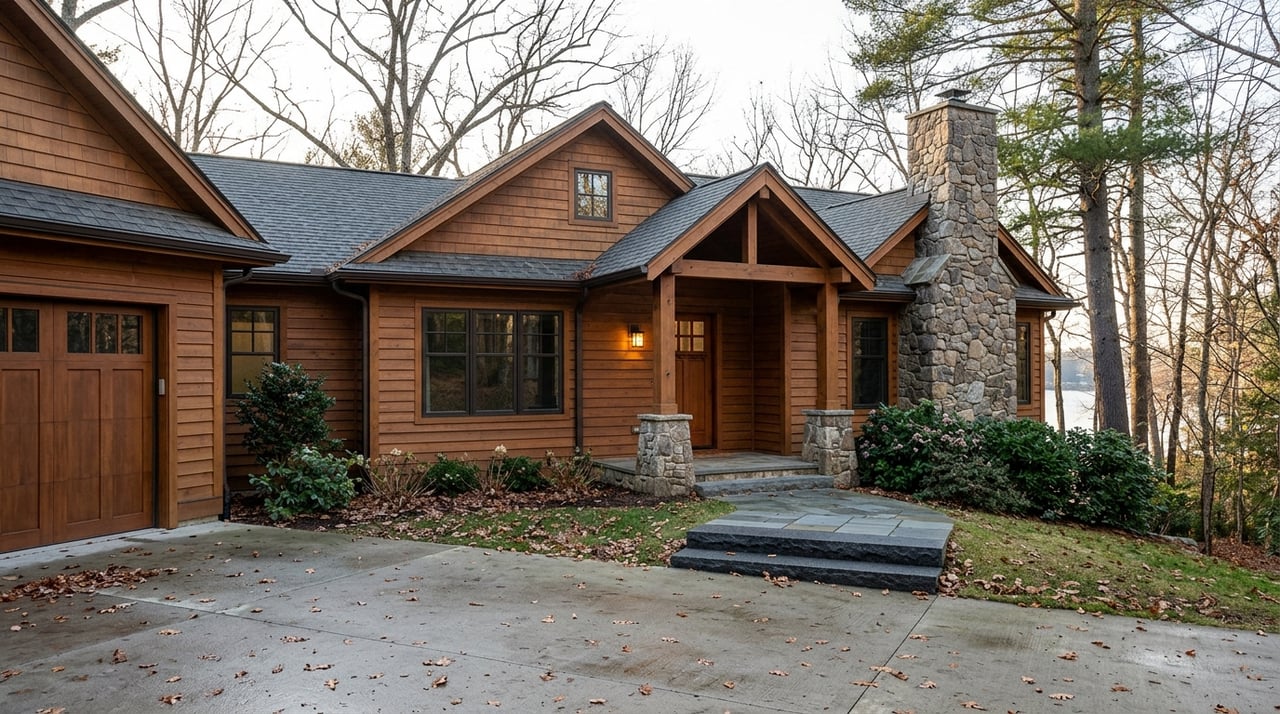
Freeze and thaw cycles, wind, and storms can shorten the life of shingles and exterior finishes. Plan for gutter and downspout cleaning, roof checks for moss or lichen, and routine caulking and stain touchups on cabins or wood siding.
Trees and wildfire risk
Tree trimming, removal, and liability for falling limbs are real costs in mountain settings. Creating defensible space in wildfire-prone areas can reduce risk and may be encouraged by local guidelines.
Well and septic systems
Many mountain homes rely on private wells and septic. Budget for routine well water testing, filter changes, and septic pumping every 3 to 5 years. If systems are near end of life, replacement can be a significant capital expense.
Road and HOA maintenance
Some rural subdivisions maintain private roads through road fees or POA dues. Ask for documents that outline reserve balances and the history of special assessments.
Lake Nottely factors
Lakeside living adds dock, shoreline, and watercraft considerations that belong in your budget.
Shoreline and docks
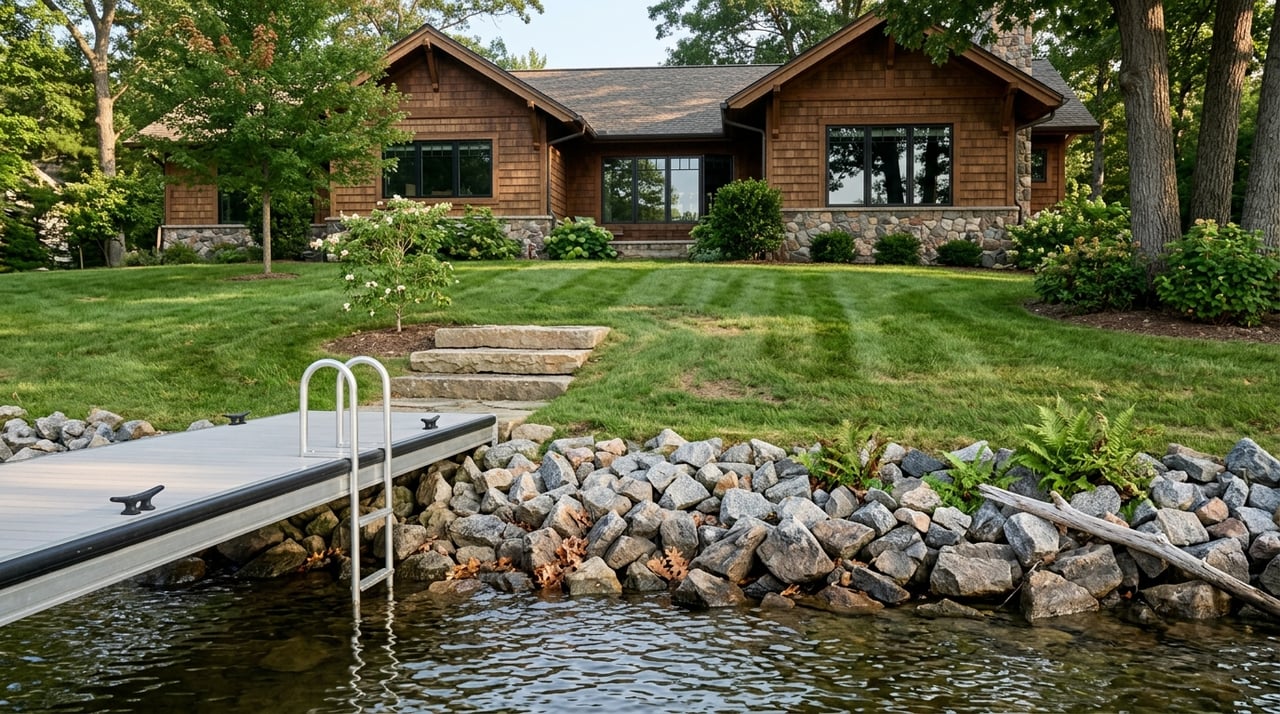
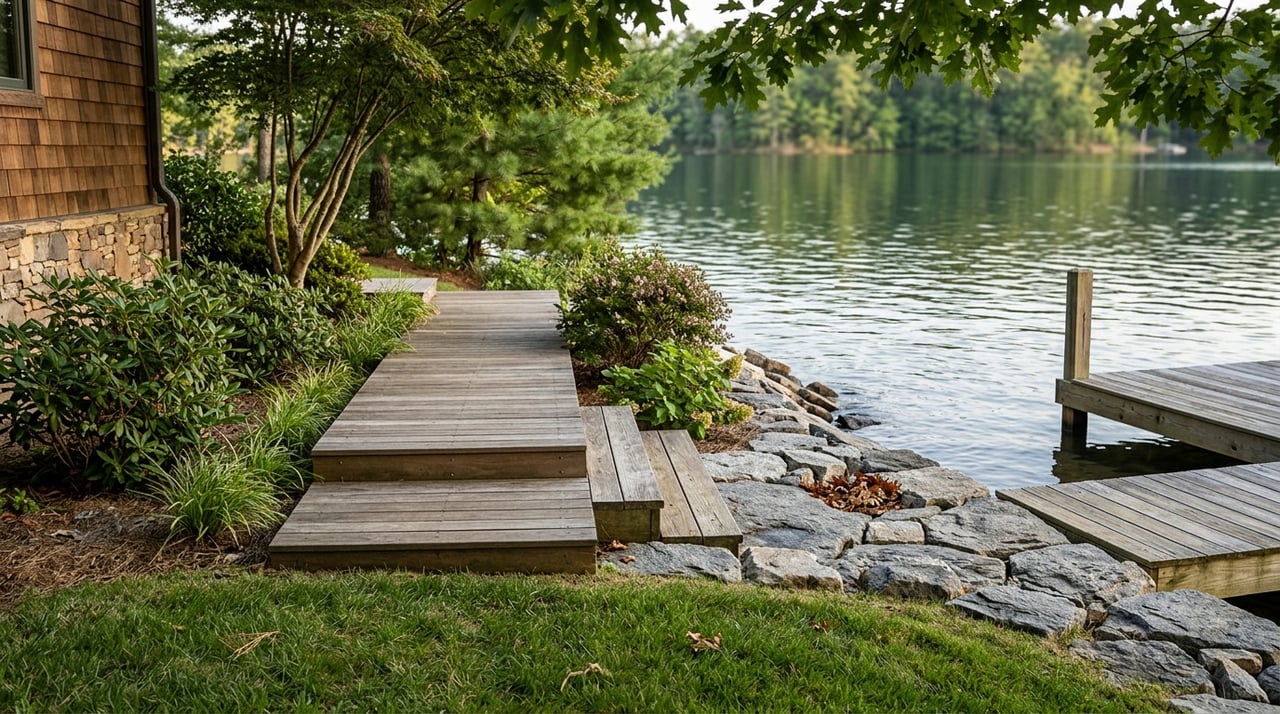
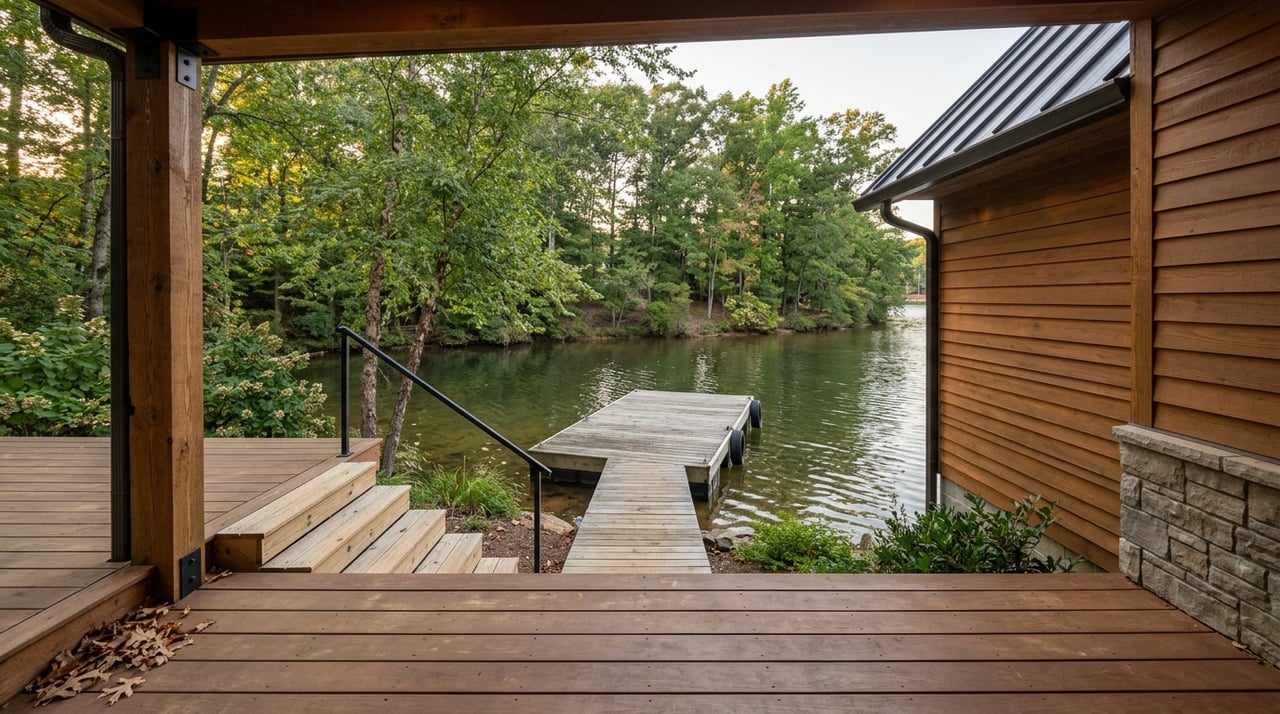
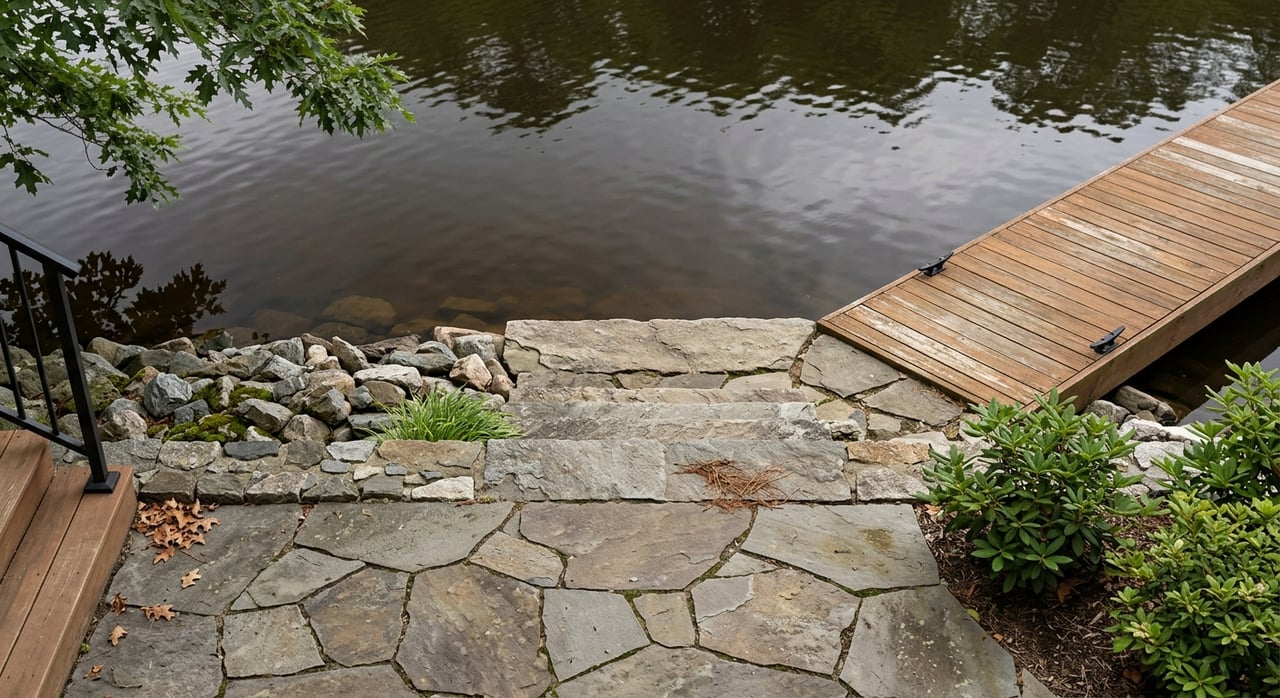
Docks and shoreline work may require permits and ongoing maintenance. Plan for dock repairs, flotation replacement, hardware upkeep, and periodic inspections, especially after storms.
Erosion and storm impacts
Even outside mapped flood zones, lakeside banks can erode or take damage during storms or seasonal water level changes. Factor in occasional shoreline stabilization or mitigation.
Insurance and watercraft
Dock and watercraft liability can call for endorsements or an umbrella policy. Boat storage, winterization, and maintenance add seasonal costs.
Septic near the lake
Lakeside properties often face stricter septic standards with more frequent inspections. Keep those timelines and costs in your plan.
Utilities in rural areas
Utilities vary more in the mountains than in town. Confirm each system during due diligence to avoid surprises.
- Electricity and fuel. Remote homes may see more outages. Many owners heat with propane or use gas appliances. Budget for tank fills and winter usage.
- Water and sewer. Municipal water carries a meter or base fee. Well systems add electricity usage and testing costs. Septic systems require routine pumping and occasional repairs.
- Trash and recycling. Private hauling may be needed in non-municipal areas.
- Internet and cell service. Service can vary by ridge line and valley. Satellite or fixed wireless may be the best fit and can cost more than urban fiber or cable plans.
Build your Blairsville budget
Start with a framework, then swap in real quotes for your target property. This approach keeps your math grounded in local numbers.
Start with fixed basics
- Property tax: request the most recent bill and confirm the current assessed value with Union County before you estimate next year’s bill.
- Insurance: obtain multiple quotes that account for absentee ownership, vacancy periods, and any lake or dock exposure. Add flood insurance if a lender requires it, or consider it as a risk management choice near water.
- HOA or POA dues: review current dues, reserve studies if available, and a history of special assessments.
Plan utilities and services
Ask for 12 months of electric and propane bills, plus internet, water, and trash statements. If on a well and septic, include testing, pumping, and service calls. Add lawn care, pest control, chimney sweeping, and any dock work.
Maintenance and reserves
- Routine maintenance reserve: set aside 1% to 4% of the home’s value each year. Use the lower end for newer homes and the higher end for older, mountain, or lakeside homes.
- Major replacements: separately plan for big items like a roof, HVAC, septic replacement, or dock rebuild. Divide each projected cost by remaining useful life to get an annual savings target.
- Emergency reserve: keep at least 3,000 to 10,000 dollars liquid for surprises. Remote callouts can cost more, and storms can create urgent needs.
Illustrative budget checklist
Use these categories to build a first-pass annual budget, then refine with quotes.
- Taxes: 10% to 30% of total annual holding costs
- Insurance and liability: 10% to 25%
- Utilities and basic services: 10% to 20%
- Maintenance and reserves: 25% to 50%
- HOA, POA, or road fees: 0% to 20%
- If renting: management and turnover typically 20% to 35% of short-term rental revenue, or 8% to 12% for full-service long-term management
Renting your Blairsville second home
Short-term and long-term rentals follow different math. For short-term stays, full-service management and booking support commonly ranges from 20% to 35% of revenue, plus cleaning, turnover maintenance, and consumables. For long-term tenants, full-service management is often 8% to 12% of monthly rent.
Make sure your insurance allows rental use and add the right endorsements. Confirm any local requirements for licensing or occupancy taxes. Build a reserve for wear and tear, and schedule periodic property checks during high-season turnover.
Insurance, taxes, and legal basics
These topics can change your total costs and risk profile. Verify them early and in writing.
Insurance must-knows for absentee owners
- Many homeowner policies limit coverage after a 30 to 60 day vacancy. Ask about vacancy clauses or permits and set up periodic checks if needed.
- Standard homeowner policies do not cover flood. If your lender requires it or you want added protection near water, quote flood insurance separately.
- Consider umbrella liability, especially if you have a dock, boat, or plan to host renters.
Property taxes and income reporting
- Confirm assessed value, exemptions, and the appeals process with Union County.
- If you rent, follow IRS rules for rental income, expense deductions, and how personal use affects your tax treatment.
- Second homes have different tax rules for potential capital gains than primary residences. A CPA can help you plan ahead.
Zoning, permits, and shoreline rules
- Docks, shoreline work, and bulkheads can require permits from the lake’s managing agency and local authorities. Verify before you buy or modify anything.
- Short-term rentals may require registration or adherence to local rules. Contact Union County and the City of Blairsville if the property sits in town limits.
Lender considerations for second homes
- Expect different underwriting, including higher down payments and possibly different rates.
- Mortgage interest deductibility depends on how you use the property. Talk with a tax professional to align your financing with your goals.
Step-by-step: get your exact numbers
Turn this framework into a tailored budget with local data.
- Request the latest tax bill and confirm the current assessment with the Union County Tax Assessor.
- Get multiple insurance quotes that include vacancy, lake or dock exposure, flood if needed, and an umbrella option.
- Ask the seller for 12 months of utility bills for electricity, propane, water, trash, and internet.
- Schedule a full home inspection, a septic inspection, and a well water test. Add a dock evaluation for lakeside homes.
- Review HOA or POA documents, recent meeting minutes, reserve status if available, and any special assessment history.
- Obtain written estimates from local property managers for vacancy checks, winterization, seasonal openings, and rental management.
- Confirm local rules on short-term rentals, dock or shoreline permits, and any city requirements if inside Blairsville limits.
- Identify reliable local contractors for roofing, septic, and tree work. Ask about emergency callout fees and typical response times.
- Set aside 1% to 4% of the home’s value for maintenance each year, plus a separate emergency reserve of 3,000 to 10,000 dollars.
Common pitfalls to avoid
- Skipping septic and well inspections or water testing.
- Underestimating driveway grading, erosion control, or ice treatment on steep access.
- Forgetting vacancy rules in your insurance policy.
- Failing to plan for dock repairs, shore stabilization, or permitting steps on Lake Nottely.
- Assuming high-speed internet is available without confirming providers and plans at the specific address.
Owning a second home in Blairsville can be straightforward when you budget for the right things from the start. With clear numbers and a local plan, you can enjoy your mountain or lakeside retreat without the surprise costs.
If you want help matching a property to your budget and lifestyle, reach out to a local expert who lives and works these mountains every day. Connect with Karyn Woody to review options, gather real quotes, and move forward with confidence.
FAQs
What are typical annual costs for a Blairsville second home?
- Most owners plan 1% to 4% of the home’s value each year for maintenance, plus taxes, insurance, utilities, and any HOA or road fees. Older or lakeside homes tend toward the higher end.
Do I need flood insurance for a Lake Nottely home?
- Flood insurance is required if your home is in a mapped high-risk zone, and it can be a smart choice near water even if not required. Verify your property’s status and lender requirements.
How often should a septic system be pumped in Union County?
- A common guideline is every 3 to 5 years, with frequency adjusted by usage and system condition. Always confirm with a septic inspection during due diligence.
What should I budget for short-term rental management in Blairsville?
- Full-service short-term management often runs 20% to 35% of rental revenue, plus cleaning, turnover maintenance, and supplies. Long-term management typically ranges from 8% to 12% of rent.
What are my internet options at a rural mountain property?
- Options vary by location and terrain. Many rural owners use satellite or fixed wireless, which can cost more than urban plans. Confirm availability and speeds for the specific address early in the process.