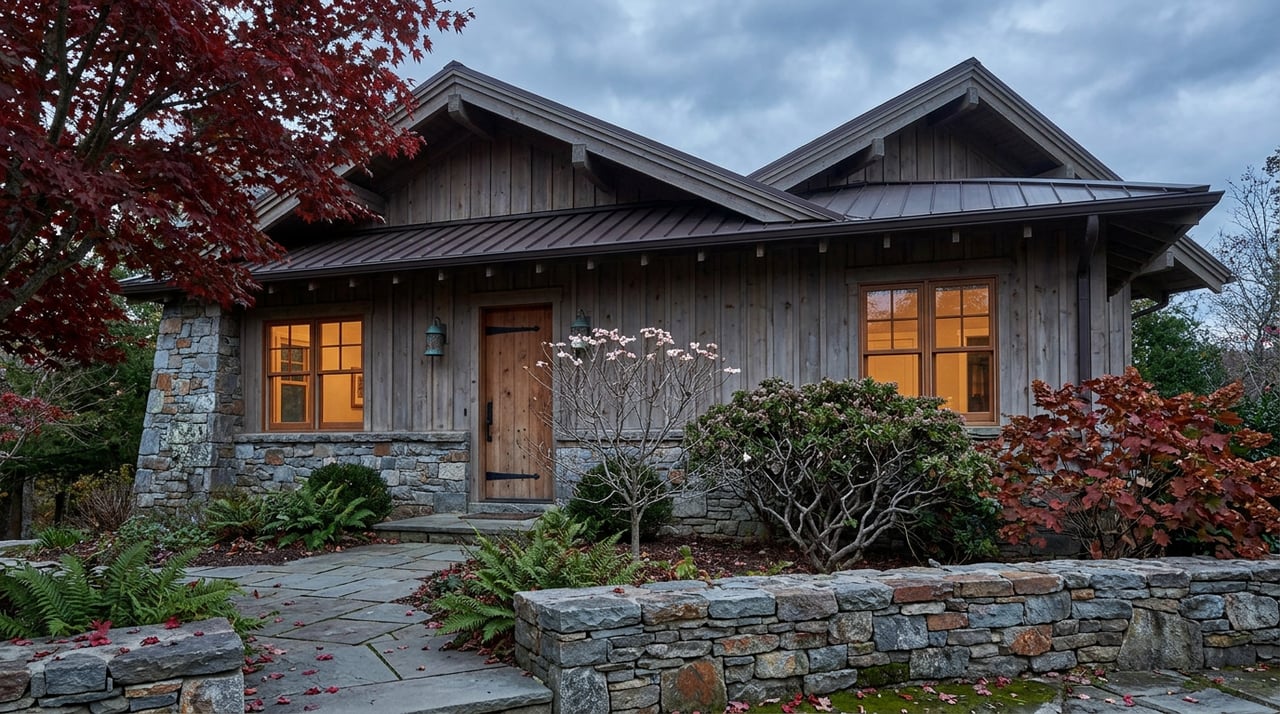
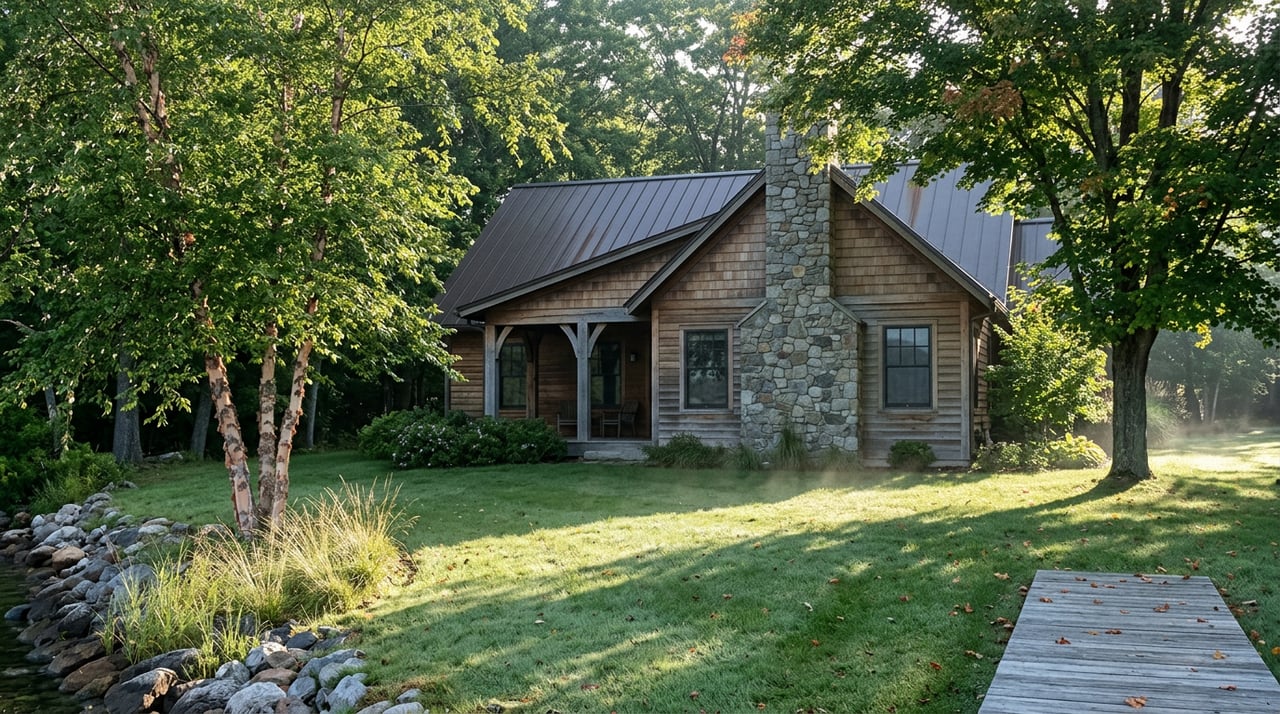
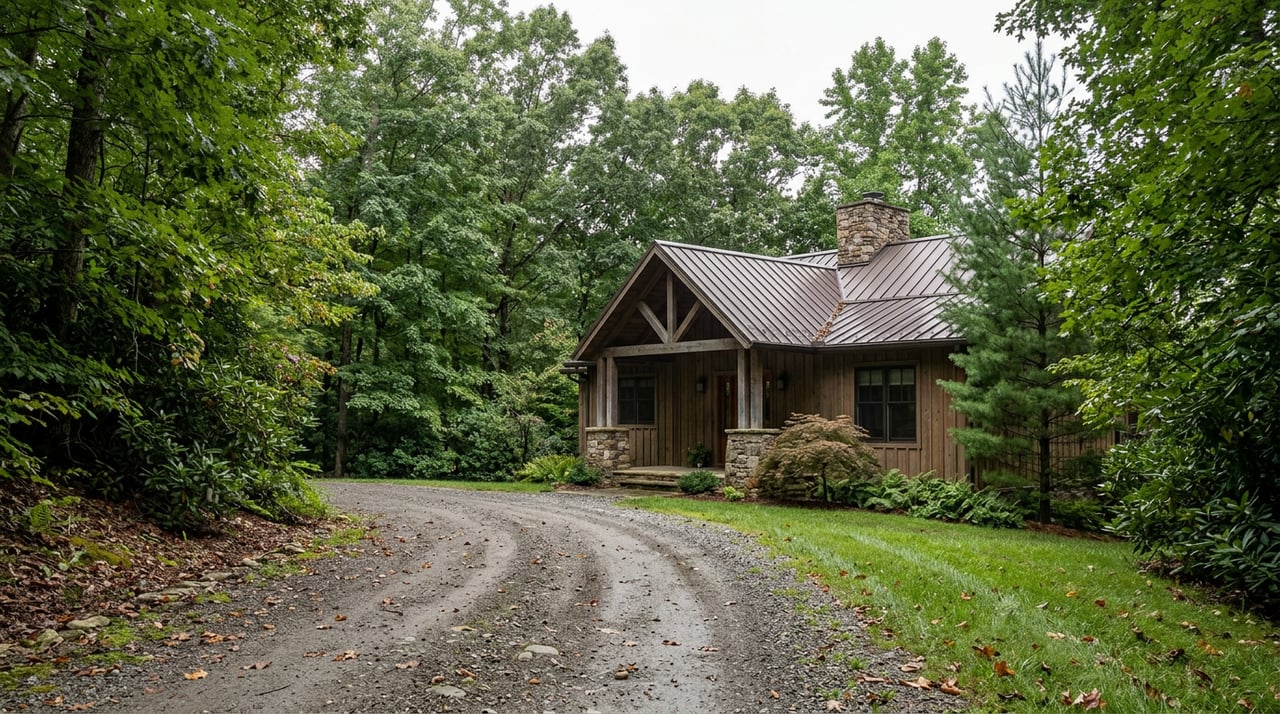
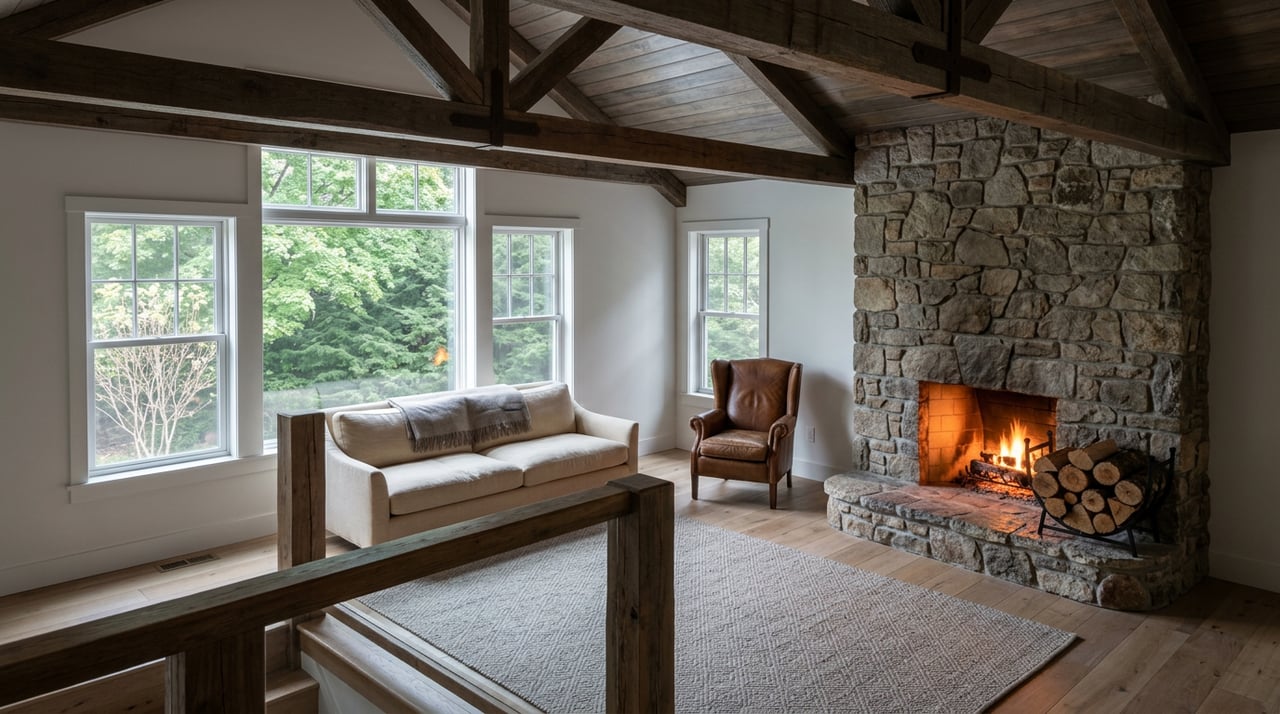
Thinking about turning a Hayesville cabin or lake home into a short-term rental? You’re not alone. The 28904 area draws outdoor lovers, weekenders, and families looking for fresh air and easy access to lakes, trails, and small-town charm. But success in a small mountain market like Clay County comes from knowing the rules, modeling costs honestly, and planning for seasonal swings. In this guide, you’ll learn what to verify before you buy, how to estimate ROI, and the steps that help your rental perform. Let’s dive in.
Hayesville STR snapshot
Hayesville sits in western North Carolina’s mountains and lakes region. Visitors come for outdoor recreation, regional events, and the relaxed pace of a rural county seat. Demand often comes from nearby states too, thanks to easy day-trip access across state lines.
Because Hayesville is a small market, inventory is limited. That can create opportunity if you position your property well. It also means performance is more sensitive to one big event, a few standout listings, or any regulatory change. Plan conservatively and validate assumptions with local sources.
Know the rules before you buy
Before you write an offer, confirm how short-term rentals are treated at every level.
Zoning and permits
- Check with the Town of Hayesville if the property sits inside town limits and with Clay County Planning & Zoning for county properties.
- Ask whether short-term rentals are explicitly permitted, restricted, or treated as typical residential use in the zoning district.
- Verify whether you need a permit, business license, or registration. Get the application steps, fees, and renewal requirements.
- Ask about standards that can affect your layout and marketing, such as minimum parking, occupancy limits, or rules for accessory dwellings.
- If a conditional-use permit or special inspection is required, request timelines and neighborhood notification rules.
HOAs and private covenants
- If the home is in an HOA or subdivision, review covenants carefully. Many HOAs regulate or prohibit short-term rentals.
- Confirm whether minimum rental periods or guest limits apply and how the HOA enforces them.
Building and safety
- Ask the local building code office and fire marshal about safety requirements. Common items include smoke and carbon monoxide alarms, fire extinguishers, egress standards, and posted occupancy limits.
- Check if there is an inspection program for short-term rentals and how often it occurs.
Enforcement and changes
- Ask the county or town whether there is a complaint hotline or enforcement process that could lead to fines or suspension of operations.
- Look into any pending ordinances or regional initiatives that might change the rules. Small towns can update policies quickly, so monitor agendas if you’re in due diligence.
Taxes and registrations
Understanding taxes helps you avoid penalties and protect your cash flow.
- Sales and lodging taxes: Confirm how state sales tax and any local lodging or occupancy taxes apply to short-term stays. Registration and filing rules can vary. Even if a booking platform collects some taxes on your behalf, you are ultimately responsible for compliance.
- Registration: Contact the North Carolina Department of Revenue and the Clay County tax office to register and learn how to remit any required taxes.
- Property taxes: Some counties review use and classification. If you rent frequently, ask the assessor how that may affect valuation or assessment processes.
Keep records of nightly rates, taxable fees, and exemptions. Consider a CPA to set up straightforward systems from day one.
What it costs to run an STR
Budget realistically by separating one-time startup expenses from ongoing operating costs.
One-time startup costs
- Closing costs and legal setup
- Furnishings and outfitting: furniture, linens, kitchenware, smart lock, outdoor items
- Safety upgrades: detectors, extinguishers, signage
- Professional photography and listing optimization
- Permit, license, and business registration fees
Recurring operating costs
- Mortgage and property taxes
- Insurance: a homeowners policy with a short-term rental endorsement, or a dedicated STR or landlord policy; consider liability and umbrella coverage
- Utilities and services: electricity, water/sewer, internet, trash, and any streaming packages guests expect
- Cleaning and turnover: per-stay cleaning, laundry, supplies, and restocking
- Maintenance and repairs: routine care, landscaping, seasonal prep like winterizing, and reserves for replacements
- Management fees: full-service local managers often charge 15 to 35 percent of rental revenue; lower for limited services
- Platform and processing fees: typical host and payment processing fees can range roughly 3 to 15 percent depending on the platform and model
- Taxes and filing costs: sales and lodging taxes, plus any business tax obligations
- Marketing and guest experience: small touches that increase reviews and repeat bookings
Rule-of-thumb allocation ranges
Use these ranges as a starting point and then get local quotes in Hayesville:
- Management: 15 to 35 percent of gross revenue
- Cleaning/turnover: 5 to 12 percent of gross revenue, or estimate per-stay costs
- Utilities + internet: 5 to 10 percent of gross revenue
- Maintenance/reserve: 5 to 15 percent of gross revenue
- Insurance and property tax: request local quotes; expect STR coverage to cost more than owner-occupied policies
Seasonality and pricing realities
Mountain and lake markets in western North Carolina tend to have distinct peaks and slower shoulder seasons.
- Peak months: Summer for lake and outdoor recreation, late summer and fall for leaf season, and holiday weekends through the year.
- Shoulder months: Early spring and portions of winter can be slower. Winter demand varies depending on the specific recreation nearby.
- Stay patterns: Weekend and 2-plus night stays are common. Weekly bookings occur in peak summer for family groups.
- Volatility: Small markets like 28904 can see bigger swings in occupancy and average daily rate when a few standout listings enter the market or a major event comes to town.
Plan your pricing and minimum-stay rules around these rhythms. Track booking lead times to adjust pricing early, and consider off-season specials to keep occupancy moving when it’s quiet.
How to model ROI
Treat your purchase like a business by building a clear financial model. You can do this in a simple spreadsheet.
- Gross annual revenue = ADR × Occupancy rate × 365 days (or ADR × occupied nights)
- Net operating income (NOI) = Gross revenue − Operating expenses (exclude mortgage and capital costs)
- Cap rate = NOI ÷ Purchase price
- Cash-on-cash return = Annual pre-tax cash flow ÷ Cash invested (down payment + closing + initial improvements)
Run multiple scenarios:
- Base case: Use conservative ADR and occupancy assumptions validated by local managers.
- Best case: Slightly higher ADR and occupancy based on peak-season performance and strong reviews.
- Worst case: Lower occupancy, discounted rates, and higher expenses to reflect slow seasons or unexpected repairs.
Also compute break-even occupancy for your chosen ADR. This tells you how many nights you need to cover operating costs and the mortgage.
Local due diligence checklist
Use this step-by-step process to protect your investment and shorten the learning curve.
- Verify zoning and permit requirements with the Town of Hayesville and Clay County Planning & Zoning.
- Review HOA covenants and rules if applicable; confirm minimum stays, guest limits, and enforcement.
- Pull recent sales comparables from the local MLS and Clay County property records to benchmark price and value.
- Gather performance data from STR analytics providers for 28904 and validate assumptions with at least one local property manager or experienced host.
- Obtain insurance quotes that explicitly cover short-term rental activity and liability in Clay County.
- Get local vendor quotes for cleaning, utilities, lawn care, and routine maintenance to solidify your operating budget.
- Register with the North Carolina Department of Revenue and the Clay County tax office as required for sales and lodging tax collection.
- Speak with 1 to 2 local property managers for pricing strategy, projected occupancy, and sample P&Ls.
- Build three-year cash flow scenarios and run sensitivity tests on ADR and occupancy.
- Consult a CPA or tax attorney on income tax treatment, deductions, depreciation, and filing strategies.
Non-financial factors that affect ROI
Returns are not only about price and revenue. In small markets, guest experience and neighborhood fit matter a lot.
- Neighborhood compatibility: Choose a property and guest profile that align with local expectations to avoid complaints and enforcement issues.
- Property condition and age: Older systems and deferred maintenance can add surprise costs and downtime.
- Access and connectivity: Road access, parking, cell coverage, and high-speed internet affect bookings and reviews.
- Proximity to services: Convenience to groceries, medical care, and popular recreation can improve demand and guest satisfaction.
Who should be on your team
Surround yourself with local expertise to set your rental up for success.
- Planning and permitting: Town of Hayesville and Clay County Planning & Zoning
- Tax authorities: Clay County Tax Assessor/Collector and the North Carolina Department of Revenue
- Local real estate agent experienced in STRs: for neighborhood fit, valuation, and negotiation
- Property manager: to validate ADR, occupancy, and realistic costs; ask for references and example financials
- Insurance broker specializing in STRs: to secure proper coverage and pricing
- CPA or tax attorney: for entity structuring and tax planning
- Experienced local hosts and the tourism office: for seasonal insights and guest expectations
Your next step in Hayesville
If you are serious about a short-term rental in 28904, start with the rules and the numbers, then pressure-test your plan with local pros. A calm, step-by-step approach helps you choose the right property, set smart pricing, and avoid costly surprises. If you want a knowledgeable, cross-state guide who specializes in mountain and lake properties, reach out to Karyn Woody to talk through your goals and next steps.
FAQs
Do I need a special permit for an STR in Hayesville or Clay County?
- Possibly. You must verify rules with the Town of Hayesville and Clay County Planning & Zoning and review any HOA covenants before you buy.
Who collects and remits sales and lodging taxes for 28904 rentals?
- You are responsible for compliance. Some platforms may collect certain taxes, but you should register with the North Carolina Department of Revenue and Clay County to confirm obligations.
What occupancy rate and ADR should I use for modeling in Hayesville?
- Start with STR analytics for 28904, then validate with at least one local property manager or host. Run best, base, and worst-case scenarios rather than relying on a single number.
What are the most common surprise costs for Hayesville STRs?
- Higher insurance premiums, utility spikes during peak seasons, cleaning and turnover logistics, and unplanned repairs are frequent surprises. Budget reserves up front.
How seasonal is demand in western North Carolina mountain and lake markets?
- Expect strong summer and fall leaf seasons, solid holiday weekends, and slower shoulder months. Adjust pricing and minimum stays to reflect these patterns.
Is a short-term rental in Hayesville a safe investment?
- It can be profitable, but small markets are sensitive to seasonality and regulatory changes. Careful due diligence and conservative financial modeling are essential.